How a Sewing Class Changed the Way I See Sustainability
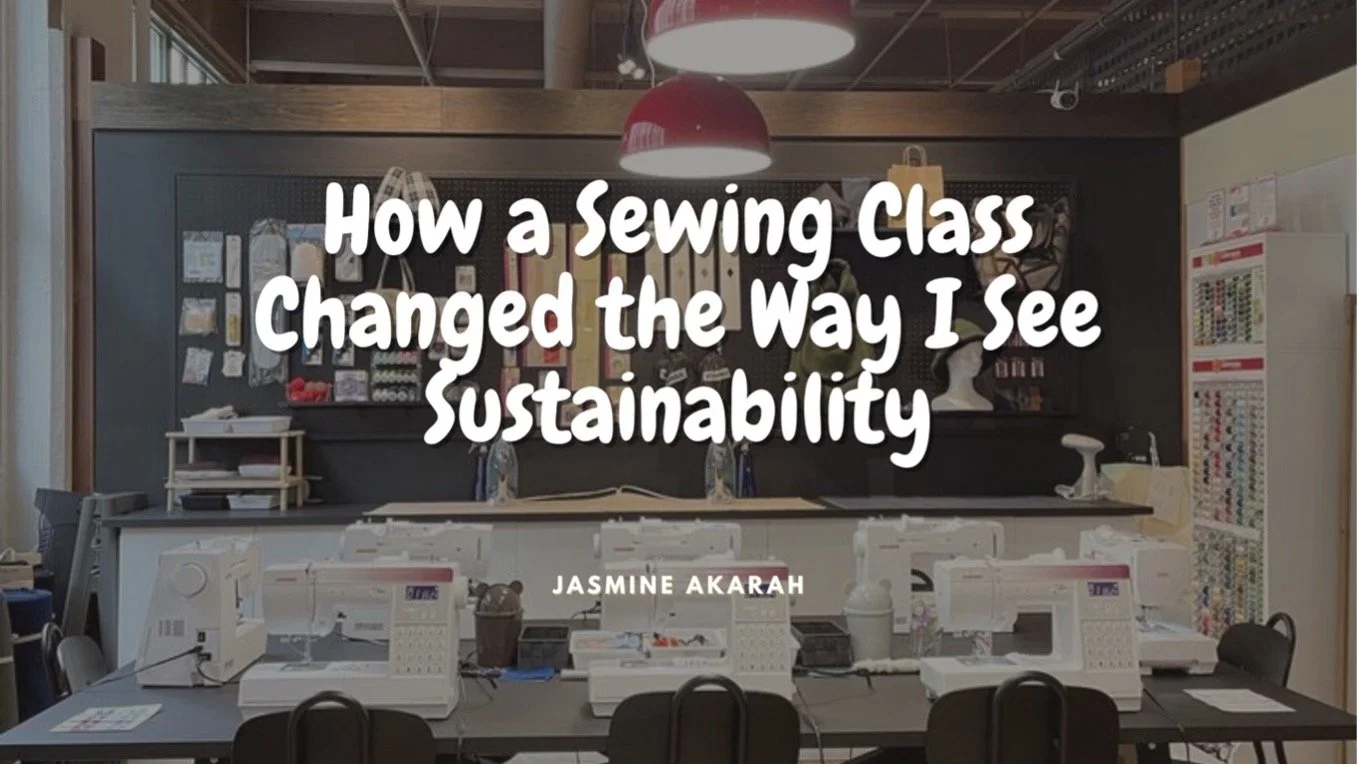
Last month, I had a random desire to take a sewing class. I’d been feeling a little down and realized it was because my days were starting to look the same — work, rest, repeat. I wanted to try something that would challenge me, get my hands moving, and spark a new sense of curiosity. So, I did the obvious thing and decided to look for a sewing class.
After an extensive three-hour search (and more than a few open tabs later), I stumbled upon Blenderz Garment Recyclers aka Blenderz.
Blenderz was founded by Sarah Janzen during the COVID pandemic. In an interview with Edify Magazine, she explained how it all began: while making patchwork sweatpants as a creative side project, she realized that buying new fabric was both expensive and harmful to the environment (Edify). When she turned to thrift stores for materials, she was shocked to see how much textile waste was being thrown away or shipped overseas.
That moment sparked something in her. She decided to do something about it — and that “something” grew into Blenderz, a sustainability-focused clothing business. What began as patchwork in her basement expanded into a thrift store, no-export textile recycler and upcycle school.
Attending the sewing class at Blenderz opened my eyes to how something as simple as sewing can connect so many ideas — from sustainability and education to creativity and community. So, here are five lessons I learned from my visit that changed the way I think about sustainability.
Lesson 1: See Something, Do Something
Sarah founded Blenderz because she saw that new fabric was both costly and harmful to the environment. Instead of ignoring the issue, she took action. Instead of accepting the status quo, she turned her frustration into a solution.
That mindset — see something, do something — really struck me. It reminded me that change doesn’t begin with a grand plan; it starts with small, intentional steps. Many of us see problems every day — waste, injustice, inefficiency — and just accept them. But real progress begins when we decide to take responsibility, no matter how small the action seems.
Lesson 2: Save the Planet by Upskilling People
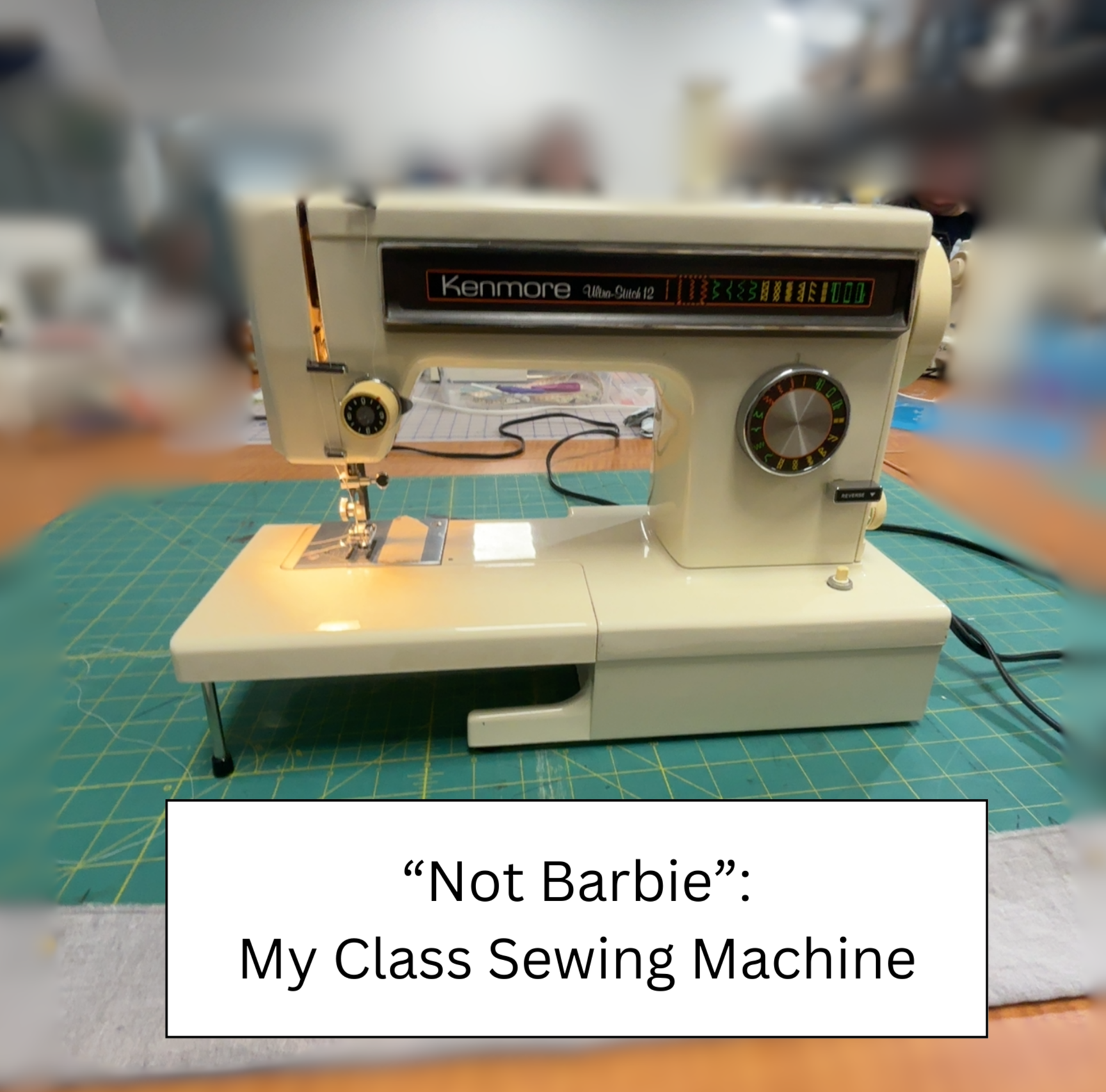
Blenderz doesn’t just sell second hand clothes — it teaches people how to sew, repair, and create. Their classes range from beginner workshops to quilting, sewing sessions, and my favorite, Replicate Your Favourite Clothes.
What stood out to me most was something Sarah said: “North America isn’t ready to pay for the labour it takes to make these things, but we can teach people to do it for themselves.” That statement stayed with me (Edify).
We often fail to make environmentally-conscious choices not because we don’t care, but because we lack the knowledge, time, or access to alternatives. Blenderz fills that gap. It teaches people how to mend, repurpose, and create from what already exists — building confidence, creativity, and new skills.
Lesson 3: A Business Mindset in Sustainability
As a business graduate, I also really admire that Blenderz found a way to make sustainability profitable. Sarah didn’t just build a feel-good initiative; she created a financially viable model that proves sustainability and profitability can coexist.
We live in a world that often separates business from ethics, but that’s changing. Concepts like Environmental, Social, and Governance (ESG) investing, circular economies, and corporate social responsibility show that profit and positive change can go hand in hand.
Lesson 4: Be a Bridge for Change, Even if You Can’t Do It All
One of my friends once told me, “I can’t change people. So, what does it matter if I use a plastic straw sometimes?” That line captures how a lot of us feel — that our individual actions are too small to matter.
Of course, we often hear the saying that one action creates a ripple effect, and while that’s true, there’s another perspective I want to highlight: we can also create change by educating and empowering others. You might not be able to eliminate fast fashion on your own, but you can make it easier for others to make better choices.
By providing affordable fabrics, sewing lessons, and a supportive space, Blenderz helps people who might otherwise only afford fast fashion engage with sustainability in a practical, realistic way.
Sometimes, being the bridge to change is just as important as being the change itself.
Lesson 5: Get Creative!
The final and perhaps most inspiring lesson was about creativity. Sarah didn’t just recycle clothes — she reimagined what recycling could look like. Instead of seeing textile waste as an endpoint, she turned it into a starting point for creativity, skill development, and connection.
We often talk about solving problems as if there’s a single right answer, but sustainability thrives on imagination. Creativity allows us to look at old problems through new lenses — to turn waste into opportunity, boredom into innovation, and limitations into art.
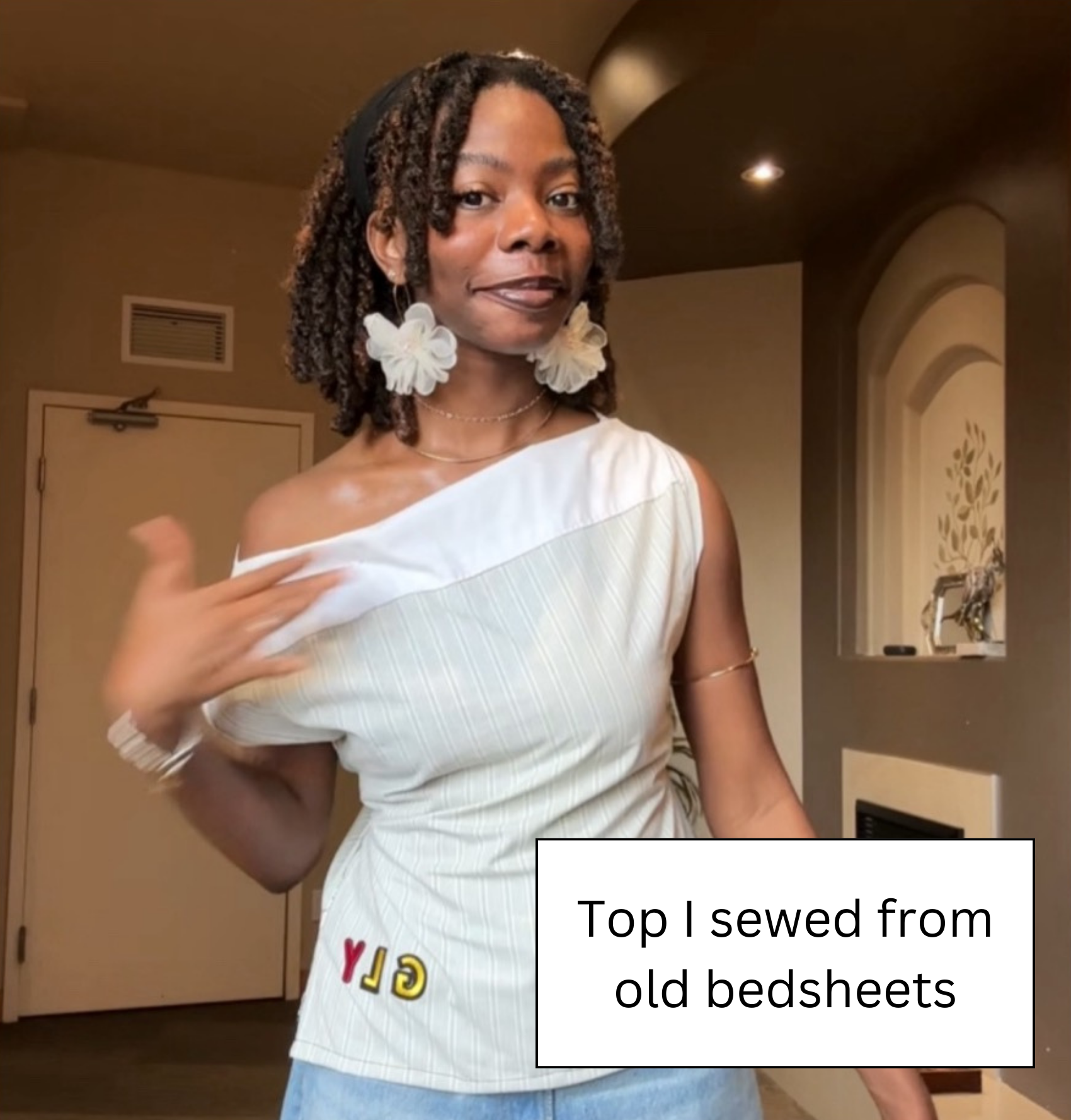
Blenderz is a reminder that creativity isn’t just aesthetic — it’s transformative. It’s how we reimagine systems, communities, and even ourselves. Blenderz Garment Recyclers is a unique business that truly embodies the idea of circular impact. It challenged me to think differently about sustainability, not just as an environmental issue, but as a cultural and educational one.
I left the class inspired — not only to sew, but to rethink how I approach problems in general.
We may not be able to solve homelessness, climate change, or inequality overnight, but maybe the solution lies in small, creative actions that build more skillful communities.
Thank you for reading. I hope this gives you something to reflect on — and maybe even inspires your own version of “see something, do something.”
With love,
Jasmine Akarah, Global Shapers Edmonton Hub