
Jingle Bells, Christmas Season — A Joy for Some, A Nightmare for Others
By Teniola Oke
Walking through downtown Edmonton in December, the city sparkles with festive lights, the smell of hot chocolate drifts from coffee shops, and last-minute shoppers fill the malls. But just a few steps away, another reality unfolds: people without a place to call home, braving the freezing winter nights. While many of us rush between cozy cafes and holiday shopping, thousands are struggling to survive. This is the winter story of homelessness in Edmonton, a reality often unseen during the season of celebration.
Is it really “the most wonderful time of the year” for everyone?
Statistics from Canada’s National Shelter Study show that in 2024, an estimated 119,574 people experienced homelessness nationwide — a number large enough to rival the population of a small city. Alarmingly, this reflects a continued rise from previous years. On an average night in 2024, approximately 19,322 people stayed in shelters, compared to 16,627 in 2023, representing a 16.2% increase. While these figures are extensive, they still fail to capture those who are unable to access shelters, people forced to seek refuge in encampments, doorways, and makeshift shelters on the streets.
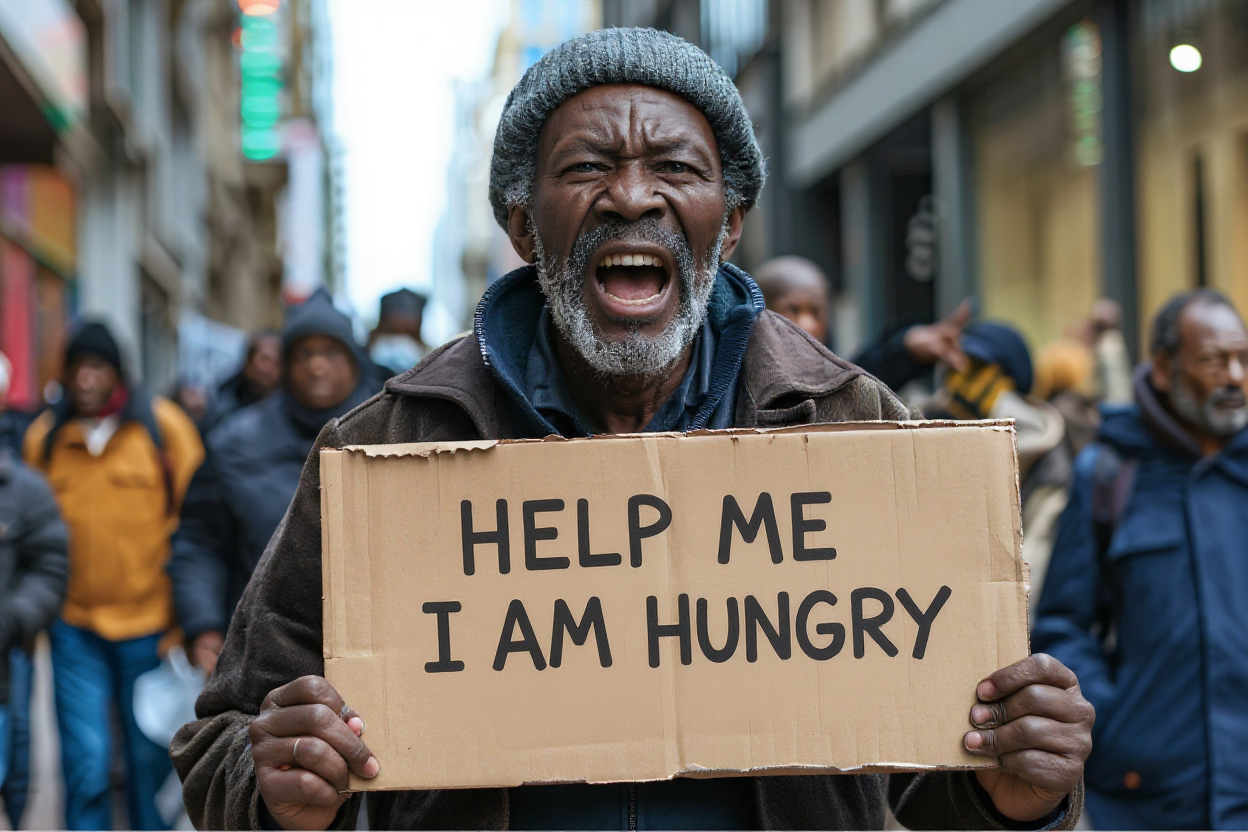
Countless nights, even in the harshest winter cold, my heart sinks as I see men and women, young and old, curled up in corners wrapped in worn‑out blankets and tattered jackets so thin I can count the holes. Winter here isn’t just cold, it’s punishing. Handwritten signs read, “Every little bit helps” and “Anything makes a difference.” Their voices, hoarse from the cold, echo:
“I just want something to eat.”
Homelessness is not a new phenomenon. It has existed for centuries across the world in different forms, often rooted in systemic challenges. In Canada, factors such as inadequate income, rising poverty, and the inability to afford standard housing, food, and basic utilities continue to push people to the margins. Many Canadians live paycheque to paycheque, with a disproportionate amount of their income going toward rent, even before utilities, transportation, or food are considered.
In winter, when sleep is scarce, fear is constant, and temperatures are dangerously low, substance use can become a way for some people to get through the night. While it may not always be the initial cause of homelessness, it is often deeply entangled with it, trauma accumulates, support systems fail, and people are left to cope in whatever ways help them survive.
These moments remind me that thousands across Canada endure this painful struggle every day, facing brutal weather, profound loneliness, and lives marked by trauma, hardship, and the sheer will to survive. I find myself wondering: How did it get this bad? How are they really doing? And what can we do to help?
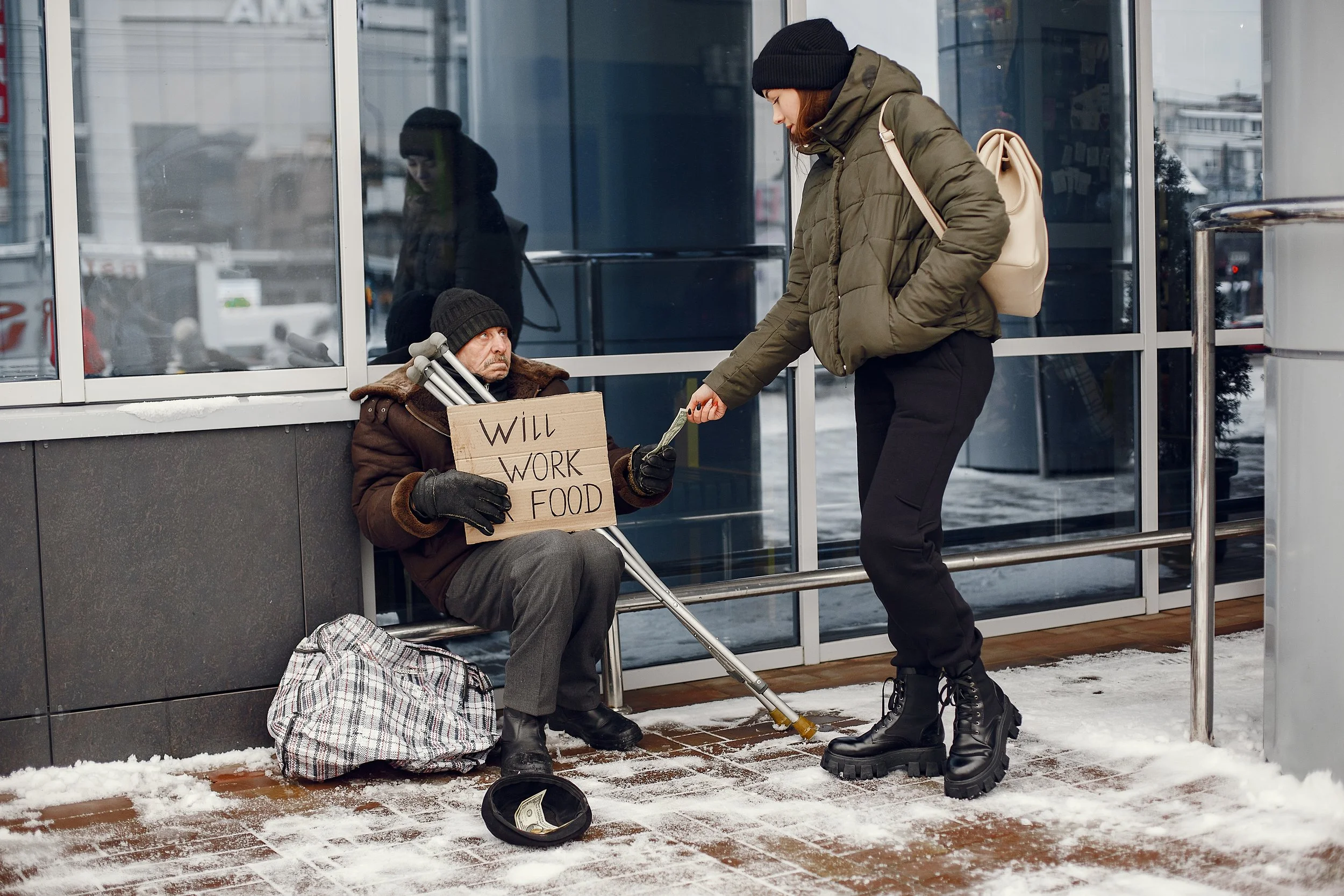
As we lean into the joy of the Christmas season, sharing meals with loved ones, exchanging gifts, and finding warmth indoors, it’s worth remembering that just a few streets away, someone else may be spending the night hungry, cold, and unseen. The streetlights may shine bright and the Christmas songs ring loud, but for many people experiencing homelessness, this season is less about celebration and more about surviving each night.
If Christmas truly represents compassion, then perhaps it calls us to look beyond our own comforts and routines. Sometimes, making a difference doesn’t require grand gestures. It can be as simple as donating to your nearest food bank, volunteering a few hours at a shelter, offering warm clothing, or even acknowledging someone on the street with a smile and kindness. These small acts, especially in the harshest months of winter, can ease a burden we may never fully understand. This Christmas, even a small gesture can bring a smile to someone’s face and brighten their holiday.
Teniola Oke
Photo credits: freepik.com